How To Get Out Of The Internet Commercials
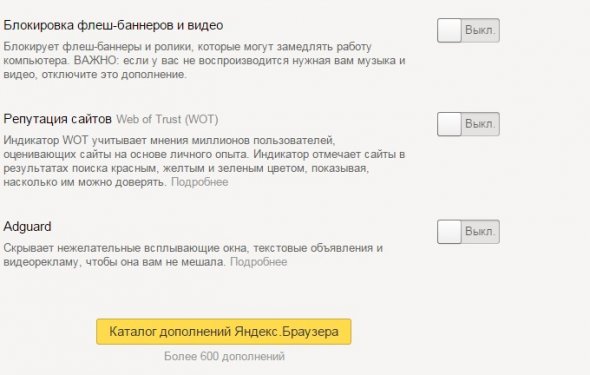
We placed this text in the Yandex blog on 6 March 2012. Since then, there have been no fewer villains on the Internet, but we haven't sat down. Over the past year and a half, we have added more security tools to our services and products and complemented this text with new useful information.
Users complain to us about the announcements that they're supposedly offering money on behalf of Yandex. At the same time, a person is requested to introduce a mobile number and then an activation code from the text message received. If that's what the user does, then it's not a vodka, it's connected to a paid text. He starts sending text messages, like weather forecasts, and they write money off his mobile account every day. That's what an ad looks like:
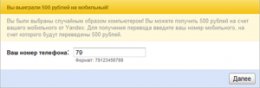
We'd like to warn you that we have nothing to do with such announcements, even if they appear against the background of Yandex. The fraudsters intentionally fake web pages for known sites that people trust. They use the name not only of the Yandex, but also of other popular services, for example, in the Contact or classmates. In addition to the promises, threats and warnings are under way, such as the “Wash Control” hacked, “Antivirus is outdated. Update. " Be careful, and don't get caught by the tricks of malicious men.
Sometimes the villains lure the user to their website with brothel advertisers like "know the date of your death! If you're not afraid, JMI, or how do you throw 15 kg in two weeks? Superiette! Usually, after a click on such a banner, the user hits a website created by the villains, where he is offered to introduce his phone number. The reasons may be different - for example, the user often asks to prove that he's not a robot. The result is always one, the money's written off.
If you're asked on the Internet to give you a phone number or other personal information, figure out who's asking for it. Frequently, villains lure trustees not only to telephone numbers, but also passwords from scouts. social media or bank records. Fashing letters and sites are used. About how to avoid stealing your personal data and detecting deception, read our file on the Fising.